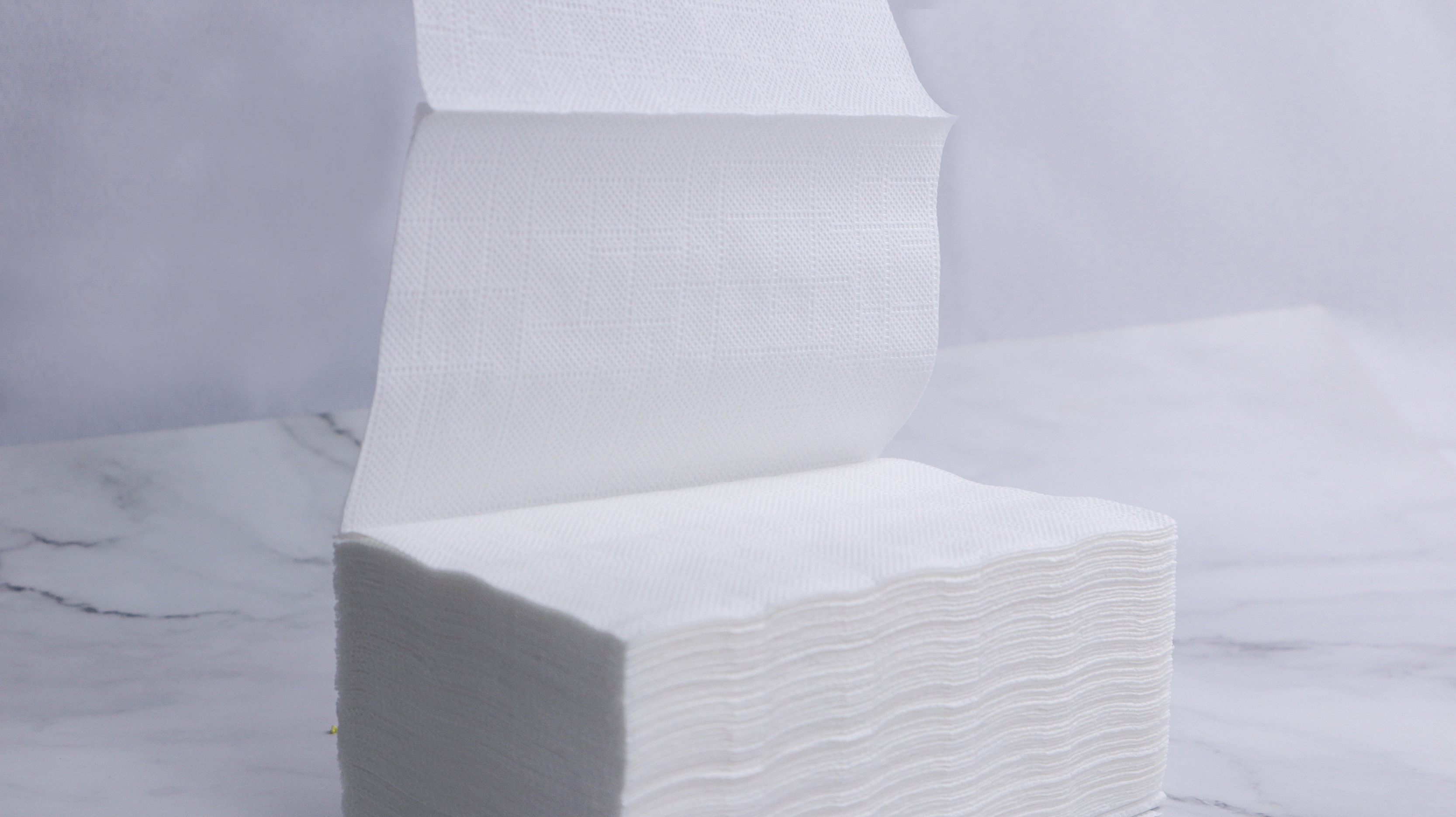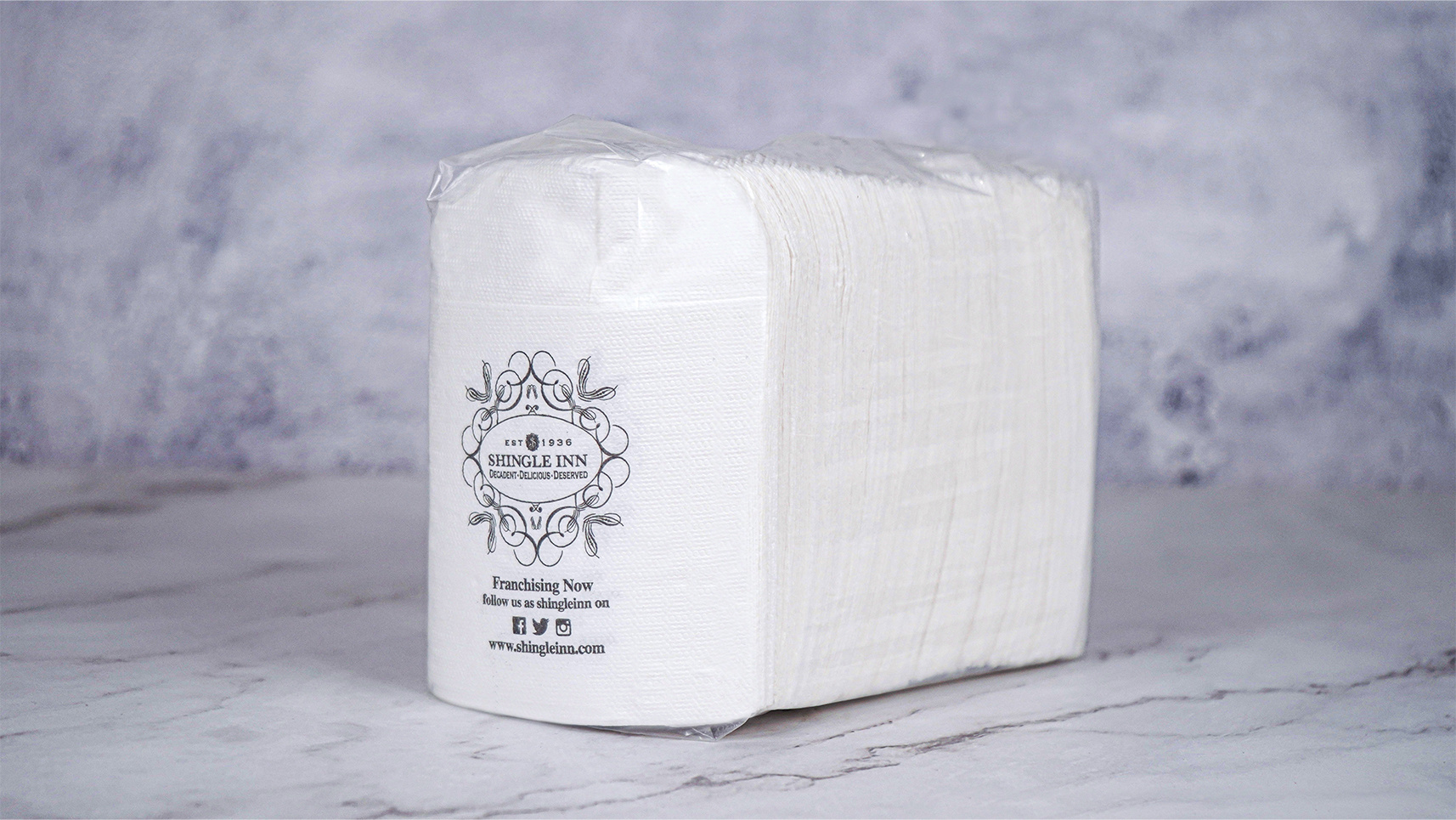
The Ultimate Guide to Eco-Friendly Napkins: Make a Sustainable Choice
Jan 11,2025
The Ultimate Guide to Eco-Friendly Napkins: Make a Sustainable Choice
Table of Contents
1. Introduction to Eco-Friendly Napkins
2. Why Choose Eco-Friendly Napkins?
3. Types of Eco-Friendly Napkins
- 3.1 Bamboo Napkins
- 3.2 Recycled Paper Napkins
- 3.3 Linen Napkins
4. The Sustainability Behind Eco-Friendly Napkins
5. Benefits of Using Eco-Friendly Napkins
6. How to Choose the Right Eco-Friendly Napkins
7. Top Eco-Friendly Napkin Brands
8. Frequently Asked Questions
9. Conclusion
Introduction to Eco-Friendly Napkins
In today's world, making sustainable choices is more crucial than ever. With rising environmental concerns, opting for **eco-friendly napkins** is a simple yet effective way to contribute positively to the planet. This comprehensive guide will delve into what eco-friendly napkins are, their benefits, and how to incorporate them into your daily life. Whether you're hosting a dinner party or just enjoying a meal at home, knowing your options can help you make a more sustainable choice.
Why Choose Eco-Friendly Napkins?
Choosing eco-friendly napkins goes beyond just being trendy; it reflects a commitment to sustainability and environmental stewardship. Traditional napkins often come from non-renewable resources, contributing to deforestation and pollution. By opting for eco-friendly alternatives, you support practices that reduce waste, conserve resources, and encourage responsible manufacturing.
Moreover, eco-friendly options are typically biodegradable or compostable, meaning they break down naturally and return nutrients to the soil, unlike conventional napkins that may contribute to landfill mass.
Types of Eco-Friendly Napkins
Understanding the various types of eco-friendly napkins available can help you make an informed decision that aligns with your values and needs. Below are some popular types:
Bamboo Napkins
**Bamboo napkins** are highly sustainable due to the rapid growth rate of bamboo plants. They require minimal water and no pesticides, making them an excellent choice for those seeking a biodegradable option. Bamboo fibers are naturally soft and strong, resulting in durable napkins that are perfect for any occasion.
Recycled Paper Napkins
**Recycled paper napkins** are made from post-consumer waste, significantly reducing the need for virgin materials. By choosing recycled options, you not only support waste reduction but also save trees and energy. Look for products with certifications indicating a certain percentage of recycled content.
Linen Napkins
**Linen napkins** are made from flax plants, which require fewer pesticides than cotton and have a lower environmental impact. They are not only reusable but also long-lasting, making them a cost-effective choice in the long run. Linen napkins add a touch of elegance to any table setting while contributing to sustainable practices.
The Sustainability Behind Eco-Friendly Napkins
Sustainability is at the core of eco-friendly napkins. The materials used, from bamboo to recycled paper, are sourced with an emphasis on minimizing environmental footprints. The manufacturing processes are designed to use less water and energy, further supporting sustainability goals.
When exploring eco-friendly options, consider certifications such as **FSC (Forest Stewardship Council)** or **Cradle to Cradle**, which indicate responsible sourcing and production practices. Choosing certified products ensures that you're supporting brands committed to environmental protection.
Benefits of Using Eco-Friendly Napkins
The benefits of incorporating eco-friendly napkins into your lifestyle extend beyond environmental impacts. Here are some key advantages:
1. **Reduced Environmental Impact**: Using sustainable materials helps decrease waste and pollution.
2. **Healthier Choices**: Eco-friendly napkins are often made from natural materials, free from harmful chemicals found in traditional products.
3. **Cost-Effective**: Investing in reusable options like linen can save money over time, as they last longer than disposable counterparts.
4. **Aesthetic Appeal**: Eco-friendly options, especially cloth napkins, can elevate your dining experience, adding elegance and style to your table setting.
5. **Support for Ethical Brands**: Many eco-friendly brands prioritize fair labor practices, so your purchase supports ethical business practices.
How to Choose the Right Eco-Friendly Napkins
When selecting eco-friendly napkins, consider the following factors:
- **Material**: Decide between disposable options (like bamboo or recycled paper) and reusable ones (like linen). Each has its own set of advantages and fits different needs.
- **Purpose**: Identify how you intend to use the napkins. For casual meals, disposable bamboo or paper might suffice, while formal events could call for elegant linen options.
- **Environmental Certifications**: Look for reputable certifications that ensure the product meets specific sustainability standards.
- **Price Point**: Eco-friendly products can vary in price. While some may cost more upfront, consider their longevity and overall value.
Top Eco-Friendly Napkin Brands
Several brands have emerged as leaders in the eco-friendly napkin market. Here are some noteworthy options:
1. **Bamboo Essentials**: Specializing in bamboo products, they offer a range of biodegradable napkins perfect for any occasion.
2. **Eco-Products**: This brand focuses on compostable and recycled products, providing a variety of eco-friendly napkin solutions.
3. **LinenMe**: Known for their high-quality linen products, LinenMe offers beautiful and sustainable napkins that can be reused for years.
4. **RePaper**: This innovative brand produces napkins from recycled paper, prioritizing sustainability without sacrificing quality.
5. **Green Paper Products**: Committed to sustainable solutions, they provide a range of eco-friendly napkins made from renewable resources.
Frequently Asked Questions about Eco-Friendly Napkins
1. Are eco-friendly napkins more expensive than traditional napkins?
Eco-friendly napkins can have a higher upfront cost, especially reusable options. However, they often save money in the long run due to their durability.
2. Can I compost eco-friendly napkins?
Many eco-friendly napkins, especially those made from bamboo or recycled paper, are compostable, making them a sustainable choice for disposal.
3. How do I properly care for reusable napkins?
Washing reusable napkins in cold water and line drying them can extend their lifespan. Avoid using fabric softeners, as they can reduce absorbency.
4. Where can I find eco-friendly napkins?
Eco-friendly napkins are available in many grocery stores, specialty shops, and online retailers. Look for brands that prioritize sustainability.
5. Are there any certifications I should look for in eco-friendly napkins?
Certifications such as FSC, Cradle to Cradle, and compostability labels can help identify genuinely sustainable products.
Conclusion
Making the switch to eco-friendly napkins is a simple yet impactful way to contribute to a more sustainable future. By understanding the various types available and the benefits they offer, you can confidently make choices that align with your values. Not only do eco-friendly napkins help reduce environmental waste, but they also provide a healthier option for you and your family. Whether you opt for bamboo, recycled paper, or linen, every choice counts toward a more sustainable lifestyle. Embrace these eco-friendly alternatives and enjoy the benefits they bring, both to your home and the planet.
Keyword:
Latest News