Key Differences Between Paper Napkins and Cloth Napkins: A Comprehensive Guide
Sep 18,2024
Key Differences Between Paper Napkins and Cloth Napkins: A Comprehensive Guide
In the world of dining and hospitality, the choice between **paper napkins** and **cloth napkins** often sparks debate. Each option has its own set of advantages and disadvantages, making it essential to understand the **key differences** that can influence your choice.
This guide will delve deep into the nuances of both types of napkins, covering a wide variety of factors, including usability, environmental impact, cost-effectiveness, and more. Whether you’re planning a lavish dinner party, a casual family meal, or simply looking for the best option for everyday use, we will help you navigate these choices effectively.
Table of Contents
- What Are Paper Napkins?
- What Are Cloth Napkins?
- Material Composition: Paper vs. Cloth
- Environmental Impact: Sustainability Considerations
- Cost Analysis: Long-Term vs. Short-Term Expenses
- Practical Uses: When to Choose Each Type
- Cleaning and Maintenance: What You Need to Know
- Aesthetics and Presentation: Elevating Your Table Setting
- Frequently Asked Questions
- Conclusion
What Are Paper Napkins?
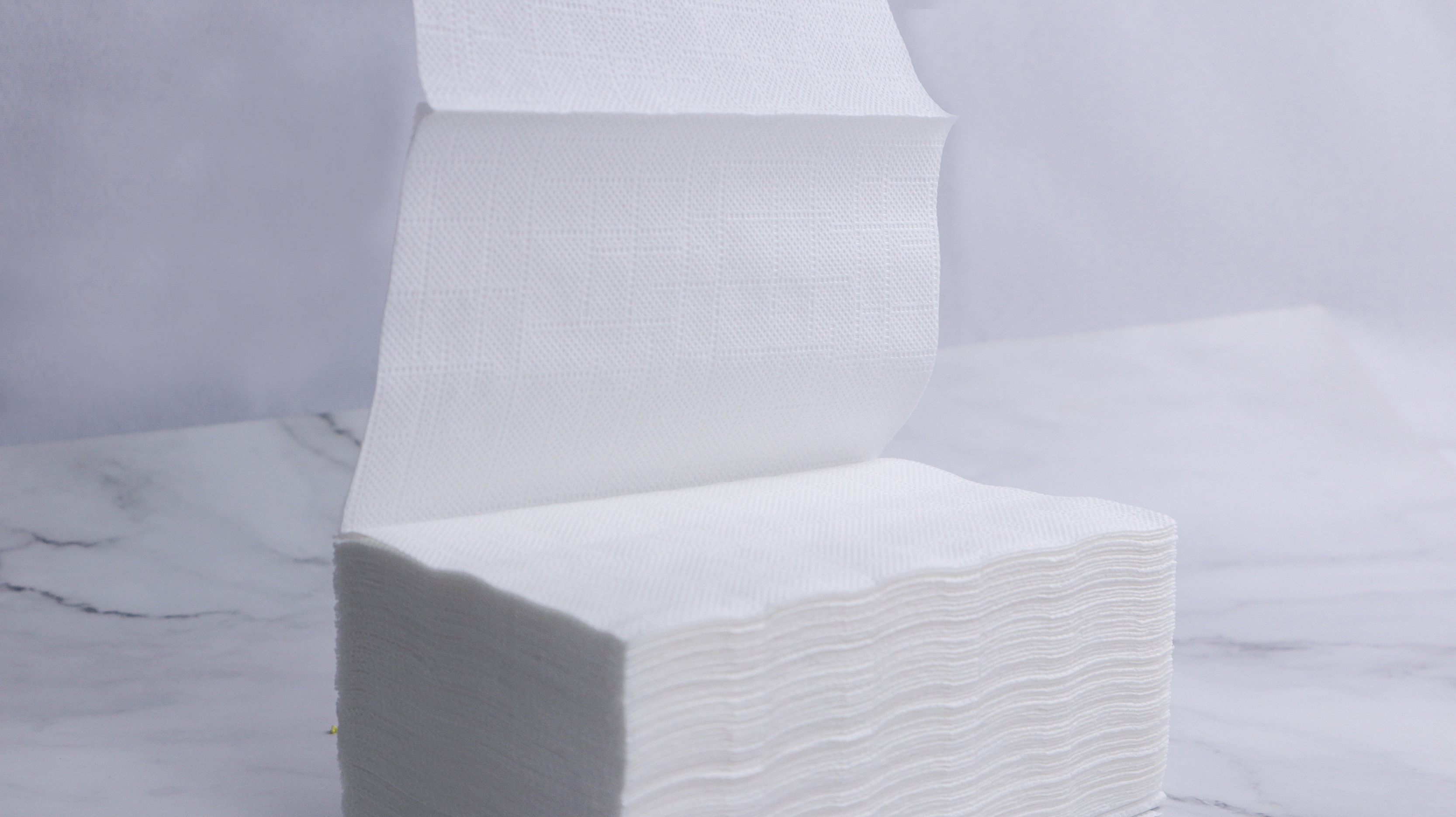
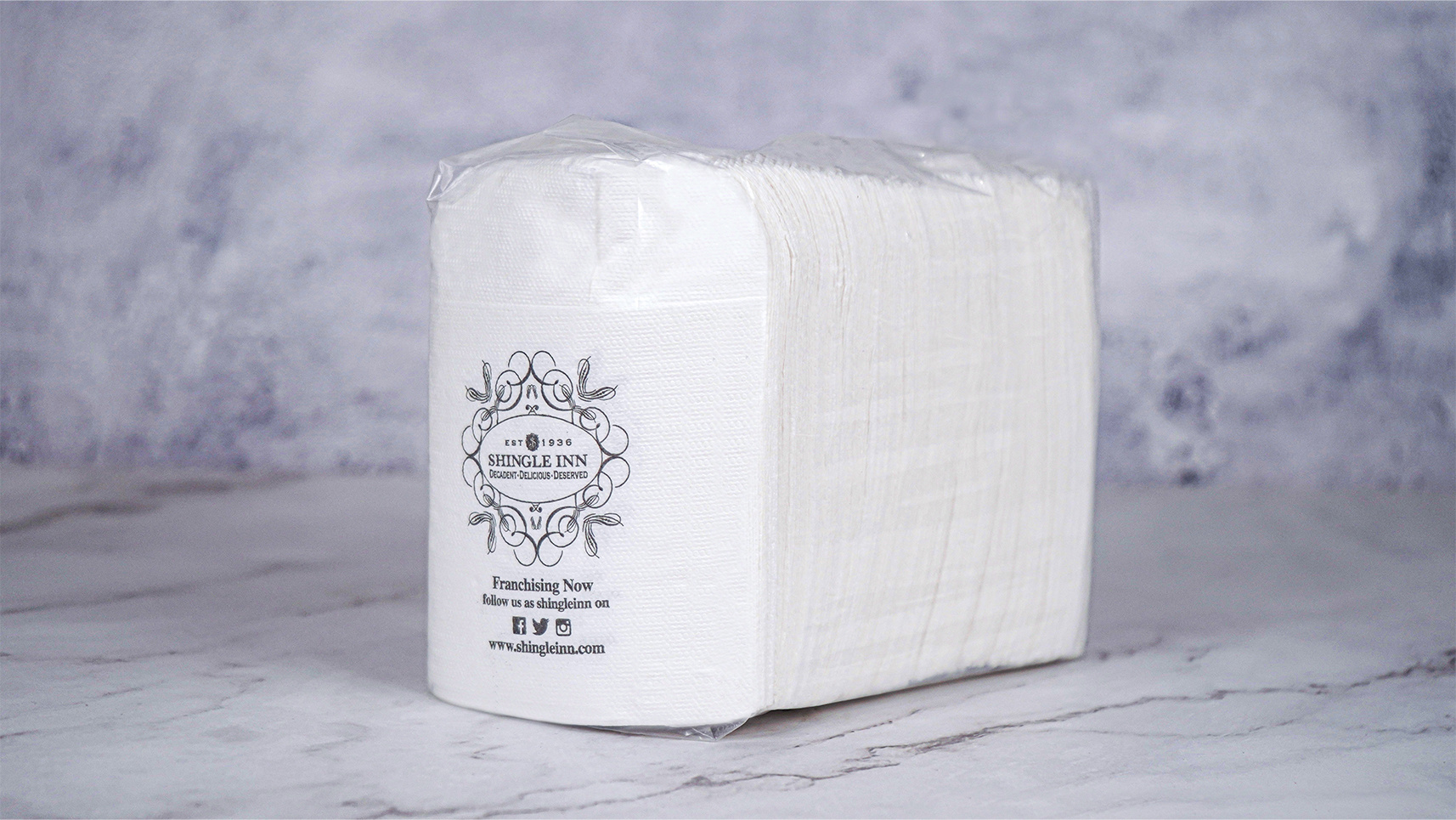
**Paper napkins** are disposable items made primarily from pulp and other cellulose fibers. They are widely recognized for their convenience and hygiene, particularly in informal settings. Often found in **fast-food restaurants**, cafes, and home kitchens, paper napkins come in various sizes, styles, and designs. Their primary function is to provide a quick, single-use option for cleaning hands and wiping surfaces, making them a go-to choice for many.
Types of Paper Napkins
- **Standard Paper Napkins**: Commonly found in restaurants and homes, these provide basic functionality.
- **Folded Paper Napkins**: These are often used in formal dining and can enhance the presentation.
- **Decorative Paper Napkins**: These come in various designs and are ideal for parties and special occasions.
What Are Cloth Napkins?
**Cloth napkins**, on the other hand, are reusable fabric items typically made from cotton, linen, or a blend of materials. They convey a sense of elegance and sophistication, making them a staple in fine dining establishments and formal events. Cloth napkins are not only beneficial for their aesthetic appeal but also offer practicality for regular home use.
Types of Cloth Napkins
- **Cotton Napkins**: The most common type, known for their absorbency and ease of cleaning.
- **Linen Napkins**: Often considered high-end, these are durable and lend a luxurious touch.
- **Blended Napkins**: These combine different fabrics for unique benefits, such as wrinkle resistance.
Material Composition: Paper vs. Cloth
Understanding the **material composition** of paper and cloth napkins is crucial for making an informed decision.
Paper Napkins
Most paper napkins are made from **virgin pulp** or recycled materials. The manufacturing process typically involves:
- **Pulping**: Breaking down wood into cellulose fibers.
- **Sheet Formation**: Pressing and drying the pulp to form sheets.
- **Cutting and Folding**: Finalizing the size and shape of the napkins.
While they are often treated for strength and absorbency, paper napkins can vary greatly in quality.
Cloth Napkins
Cloth napkins are made from various fabrics, each offering different characteristics:
- **Cotton**: Soft and absorbent, ideal for regular use.
- **Linen**: Breathable and highly absorbent, but can be more expensive.
- **Polyester Blends**: Durable and wrinkle-resistant, making them easy to maintain.
In general, cloth napkins will offer a more comfortable feel and superior absorbency compared to their paper counterparts.
Environmental Impact: Sustainability Considerations
The environmental implications of using paper napkins versus cloth napkins warrant careful consideration.
Paper Napkins
- **Single-use products**: Paper napkins contribute to waste since they are typically used once and discarded.
- **Deforestation**: The production of paper napkins often requires cutting down trees, raising concerns about sustainability.
- **Recyclability**: While some paper napkins are made from recycled materials, they may not always be recyclable after use due to contamination.
Cloth Napkins
- **Reusability**: Cloth napkins can be washed and reused hundreds of times, significantly lowering their environmental footprint.
- **Energy and Water Consumption**: However, they do require water and energy for laundering, which can offset some of their benefits.
- **Durability**: High-quality cloth napkins can last for years, making them a more sustainable choice over time.
Cost Analysis: Long-Term vs. Short-Term Expenses
When evaluating the costs associated with paper and cloth napkins, it’s essential to take both **short-term and long-term** expenses into account.
Paper Napkins
- **Initial Cost**: Generally cheaper upfront, making them an attractive option for budgeting.
- **Recurring Purchases**: The need to buy new napkins regularly can add up, particularly in large households or businesses.
Cloth Napkins
- **Higher Initial Investment**: Cloth napkins can be more expensive to purchase initially.
- **Long-term Savings**: With their durability and reusability, cloth napkins can prove to be more cost-effective over time.
Practical Uses: When to Choose Each Type
Each type of napkin has its best-use scenarios, dictated by the nature of the event and personal preferences.
When to Choose Paper Napkins
- **Casual Gatherings**: Perfect for picnics, barbecues, and informal gatherings.
- **Fast-Paced Environments**: Ideal for busy restaurants or take-out settings where quick disposal is necessary.
- **Cost-Effective Events**: Suitable for large events where many napkins are needed without breaking the budget.
When to Choose Cloth Napkins
- **Formal Events**: Necessary for weddings, fine dining, and special occasions where presentation matters.
- **Family Meals**: A good choice for everyday meals to promote a more refined dining experience.
- **Eco-Conscious Choices**: Best for those looking to reduce their environmental impact over time.
Cleaning and Maintenance: What You Need to Know
Understanding the cleaning and maintenance required for each type of napkin can influence your choice.
Cleaning Paper Napkins
- **Disposal**: Simple to dispose of after a single use, making them hassle-free.
- **No Cleaning Required**: No laundry or maintenance required, saving time and effort.
Cleaning Cloth Napkins
- **Washing**: Require regular washing, which can involve additional effort and time.
- **Stain Removal**: Some stains may require special treatment, depending on the fabric quality.
Aesthetics and Presentation: Elevating Your Table Setting
In dining, visuals matter as much as functionality.
Paper Napkins
While available in various colors and designs, paper napkins often lack the elegance associated with cloth options. They can be visually appealing but may not deliver the sophistication that certain occasions call for.
Cloth Napkins
Cloth napkins provide an elegant touch to any table setting. Their variety in colors, patterns, and fabric types allows for personalization and creativity in presentation. Cloth napkins can be folded into intricate designs, making them a fantastic choice for special occasions.
Frequently Asked Questions
1. Are paper napkins biodegradable?
Yes, paper napkins are biodegradable, but their disposal should be managed to minimize environmental impact.
2. Can cloth napkins be used for both formal and informal occasions?
Absolutely! Cloth napkins can elevate informal settings and are essential for formal dining experiences.
3. How often should I wash cloth napkins?
It’s advisable to wash cloth napkins after every use, especially if they’re stained or heavily soiled.
4. Are there eco-friendly options for paper napkins?
Yes, several brands offer paper napkins made from recycled materials or sustainably sourced fibers.
5. What is the best way to store cloth napkins?
Store cloth napkins in a cool, dry place. Consider folding them neatly to prevent wrinkles.
Conclusion
Choosing between paper napkins and cloth napkins ultimately depends on personal preference, budget, and the context in which they will be used. Paper napkins are ideal for casual, fast-paced environments, while cloth napkins add elegance and sustainability to formal occasions.
By understanding the **key differences** between these two options, you can make informed decisions that align with your lifestyle, values, and needs. Whether you opt for the convenience of paper or the sophistication of cloth, both can enhance your dining experience in unique ways.
Keyword:
Latest News