Understanding Paper Napkins and Serviettes: Key Insights for Professionals
Aug 03,2024
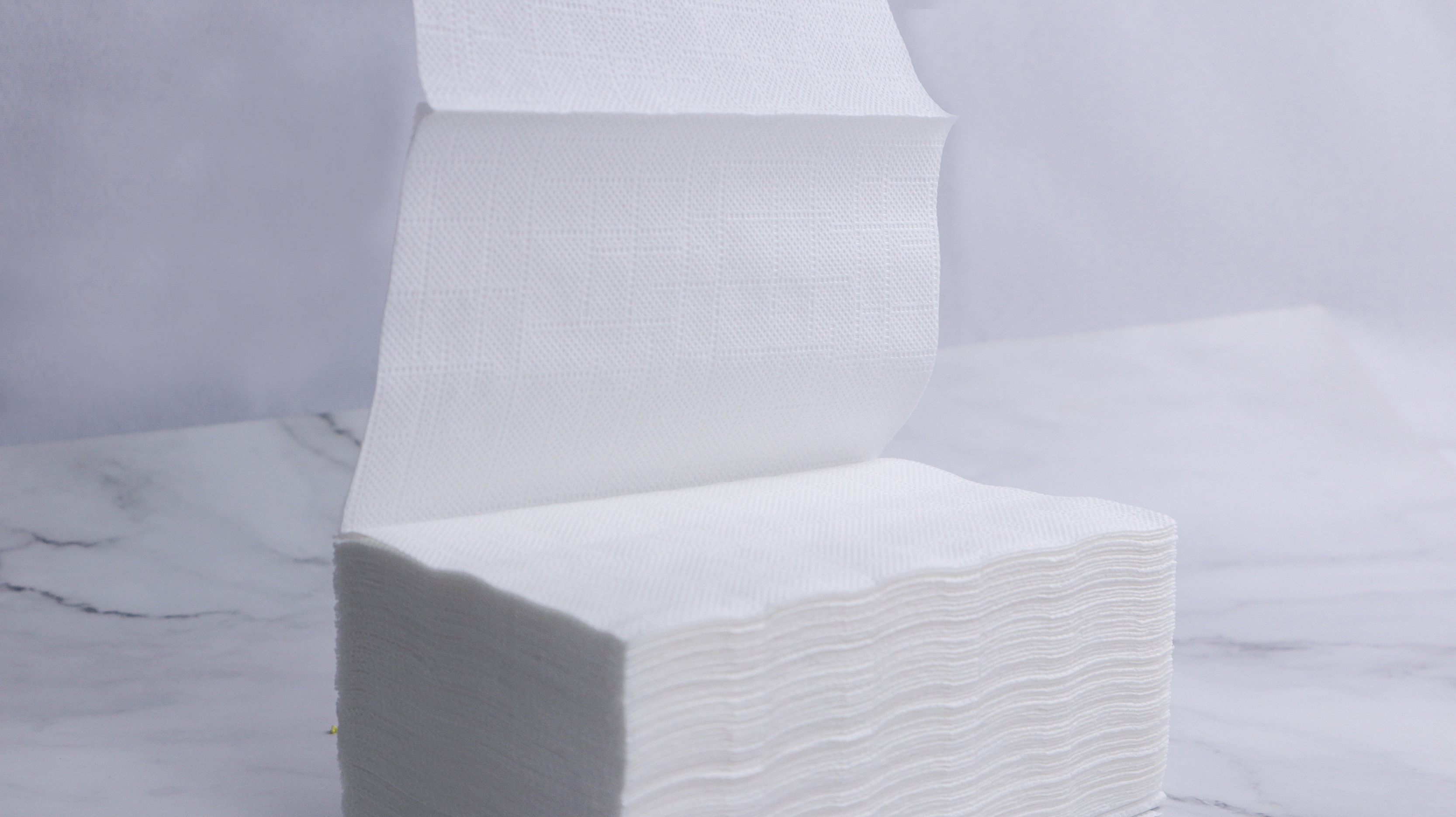
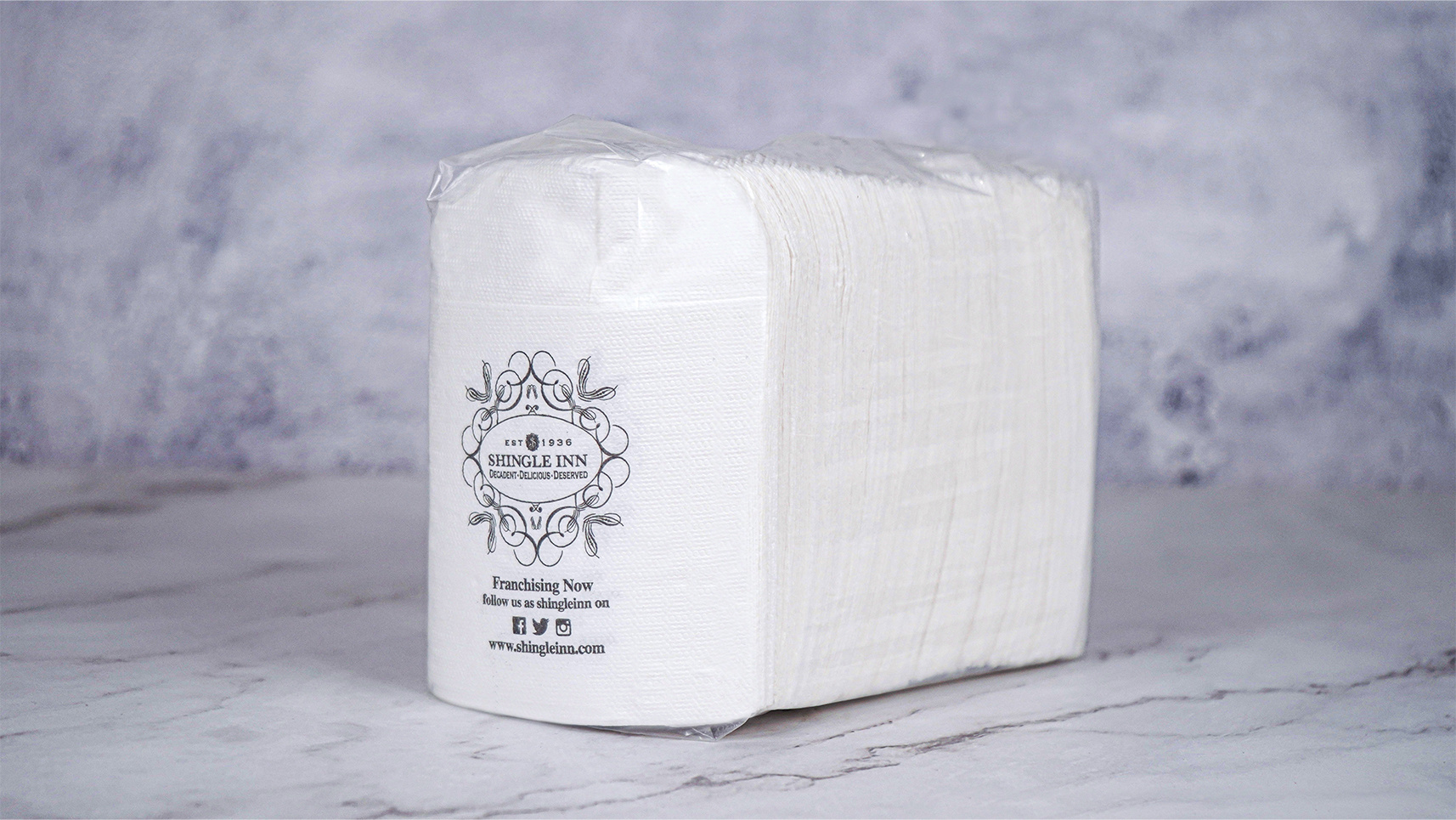
Paper napkins and serviettes have become indispensable in various settings, ranging from casual home dinners to formal events. Understanding their characteristics and applications can significantly benefit professionals in the home and sanitary paper products industry. This article will provide insights into the types of paper napkins and serviettes available, their materials, and the trends shaping their use.
Firstly, paper napkins can be classified into two primary categories: disposable and reusable. Disposable paper napkins are typically used once and then discarded, making them practical for quick clean-ups and events where convenience is paramount. Reusable napkins, while often made of cloth, can also include thicker, durable paper materials designed for multiple uses. Understanding the distinction between these types can help professionals tailor their product lines to meet varying consumer demands.
Material choice plays a crucial role in the functionality and appeal of paper napkins and serviettes. Common materials include virgin pulp, recycled paper, and specialty blends that offer enhanced durability and absorbency. Virgin pulp napkins are often preferred for their softness and strength, making them ideal for upscale dining experiences. In contrast, those made from recycled paper are increasingly popular among eco-conscious consumers, emphasizing sustainability without compromising on quality. Offering a range of materials can cater to diverse customer preferences and promote responsible consumption.
The design and presentation of paper napkins and serviettes also warrant attention. Custom prints, colors, and textures can elevate the dining experience, making these products not just functional but also a part of the overall aesthetic. Professionals should consider collaborating with designers to offer unique options that appeal to various markets, from casual gatherings to elaborate events.
In recent years, there has been a growing emphasis on sustainability within the paper products industry. Consumers are increasingly drawn to products that minimize environmental impact. Thus, investing in eco-friendly production processes and materials can not only attract a loyal customer base but also align with global sustainability goals. Highlighting certifications and eco-labels on packaging can further enhance customer trust and promote informed purchasing decisions.
In conclusion, paper napkins and serviettes are more than just functional items; they represent an intersection of convenience, aesthetics, and sustainability. By understanding their various types, material options, and design possibilities, professionals in the home and sanitary paper products industry can better meet consumer needs and navigate the evolving market landscape. Embracing innovation and sustainability will be crucial as the demand for high-quality, eco-friendly products continues to rise.
Keyword:
Latest News